Medical Office Cleaning vs. Standard Office Cleaning: What Is the Difference?
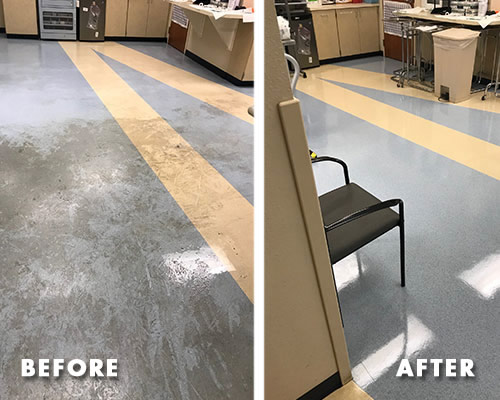
In any workplace, clean spaces build trust and keep people healthy. In a clinic or dental suite, the stakes are even higher. That is why medical office cleaning is a specialized service with protocols that go beyond a typical office routine. If you manage a facility in Medford, OR, here is how the two approaches differ and why it matters for your patients, staff, and reputation.
Why Medical Spaces Require A Different Approach
Standard office cleaning focuses on appearance, comfort, and routine hygiene. Medical office cleaning prioritizes infection prevention first, then appearance. Clinical spaces see more vulnerable visitors, more touchpoints, and more regulated surfaces. Your provider should align cleaning steps with how care is delivered in reception, exam rooms, imaging rooms, and restrooms so risks drop and turnover times stay predictable.
In patient-facing areas, each step must be deliberate. Cleaners are trained to move from clean to dirty, high to low, and to keep used materials contained. That sequence reduces the chance that germs travel from one room to another during a busy day in East Medford or near Providence Medford Medical Center.
Scope Of Work: Medical Office vs. Standard Office
Patient Areas, Clinical Zones, And Admin Spaces
All offices need dusting, trash removal, restroom resets, glass spot cleaning, and floor care. Clinical facilities add patient and procedure zones with higher expectations. Here is how the task mix typically shifts:
- Standard offices: desks and conference tables wiped, restrooms reset, breakrooms cleaned, entry glass detailed, floors vacuumed and mopped, routine office cleaning on a weekly or nightly plan.
- Medical offices: documented disinfection of high-touch points, treatment surfaces cleaned then disinfected with proper contact time, color‑coded tools to stop cross‑contamination, plus logs for restrooms and exam turnovers.
Administrative areas inside a clinic often follow standard office checklists, but they still live under the clinic’s broader infection‑control rules. That means closer attention to shared devices, hand hygiene stations, and traffic patterns between front‑of‑house and back‑of‑house spaces.
Protocols And Products That Raise The Bar
Medical cleaning protocols specify which surfaces must be cleaned and which must be disinfected, and in what order. EPA‑listed disinfectants are used according to the label, and surfaces must remain wet for the full dwell time to be effective. Microfiber systems are color‑coded so cloths used in a restroom are never used in a nurse station or exam room.
Do not mix chemicals or use products on surfaces they are not designed for; trained teams follow labels and Safety Data Sheets to protect people and finishes. In addition, carts are organized to stage clean supplies away from used cloths and liners. In local dental operatories, splash zones, chair controls, and light handles receive special attention before floors are finished last.
Staff Training, Documentation, And Quality Control
In standard offices, quality control relies on clear scopes, simple checklists, and regular inspections. Medical facilities add training in infection prevention basics and more documentation. Expect posted checklists for exam turnovers, timestamped restroom logs, and supervisor spot checks with quick corrections.
Consistency matters when your schedule runs from early imaging through late‑day appointments. Providers who serve clinics across South Medford and along Barnett Road often assign steady teams so the same people learn access steps, room sequences, and sensitive equipment locations.
Preventing Cross‑Contamination
Cross‑contamination is the single biggest difference between medical and standard office cleaning. The goal is to keep germs from traveling between zones or back onto a just‑cleaned surface. Color‑coding reduces mix‑ups. Fresh solutions and mop heads are rotated by room. Vacuums with HEPA filtration trap fine particles that would otherwise resettle on counters and keyboards.
Never reuse cloths between clinical and non‑clinical areas. Tools move from the cleanest surfaces to the dirtiest, then off the floor entirely. Waste handling follows a clear, posted sequence so bags are sealed before carts roll to the next zone. These small controls protect front desks, waiting rooms, and exam spaces during peak hours.
Local insight for Medford and the Rogue Valley: summer wildfire smoke and spring pollen increase surface dust and strain HVAC returns. Ask your provider to add extra entry‑mat service and targeted high‑dusting during smoky or high‑pollen weeks. A few seasonal adjustments keep lobbies and exam areas feeling fresh without slowing your schedule.
Floor Care And Air Quality In Medford, OR
Floors tell the story of your building. In a standard office, hard floors may be auto‑scrubbed on a rotation and carpets vacuumed nightly, with periodic deep cleaning. In clinics, non‑slip flooring in exam rooms requires the right neutral cleaner and fresh mop solution every time. Lobbies near Biddle Road and Bear Creek track in grit on rainy days, so mat rotations and more frequent vacuuming protect finishes and reduce slip risk.
Air quality also changes how often surfaces need attention. During smoky weeks, fine particles settle quickly on counters and screens. Your routine should flex to include more vent and ledge dusting so rooms do not look tired by midafternoon. For more seasonal planning ideas, scan our latest building maintenance tips and match your checklist to local conditions.
Scheduling And Access: Nightly Vs. Weekly
Most standard offices can succeed with a strong weekly rhythm plus targeted touchpoints on peak days. Clinics and dental suites usually require nightly attention to restrooms, waiting areas, and high‑touch zones, with additional time blocked for detail work. Day porter coverage helps catch fingerprints and paper goods during high traffic without disrupting care teams.
If you are comparing options, start at medical office cleaning in Medford, OR on the Professional Building Maintenance homepage, then map your visitor flow. Decide how you want spaces to look at 8 a.m. and at 3 p.m., and set the cadence to hold that standard through flu season and wildfire smoke days.
What “Exam‑Ready” Looks Like Room By Room
- Reception and waiting: check‑in counters, pens, kiosks, and door hardware are cleaned, then disinfected, with fresh liners and a final floor pass.
- Exam rooms: a posted turnover sequence guides top‑to‑bottom cleaning, correct disinfectant dwell time, and safe staging of wipes and tools.
- Restrooms: fixtures detailed, contact surfaces disinfected, supplies restocked, and a visible service log so issues are handled fast.
- Admin areas: desks and shared equipment wiped, with attention to keyboards and phones where staff rotate throughout the day.
The right sequence saves minutes every visit. Post visible service logs in restrooms and exam rooms so supervisors and nurses know when tasks were completed during rushes.
People, Products, And Proof
Whether you run a family practice near Asante Rogue Regional Medical Center or a specialist clinic in East Medford, look for three things: trained people, the right products, and proof. Trained people follow a repeatable process. The right products match each surface and are used by the label. Proof shows up in checklists, logs, and quick photo notes of problem spots with fixes recorded.
In standard offices, proof might be a weekly inspection and a tidy supply closet. In medical settings, proof includes documented room turnovers, consistent color‑coding, and clear separation of tools and waste streams to protect clinical workflows.
How To Choose The Right Partner In The Rogue Valley
Ask about team consistency, background checks, supervisor oversight, and how seasonal shifts are handled. Good partners know that smoky August air or November rain will change how lobbies and floors behave from Phoenix to White City. They will suggest small adjustments before issues become complaints.
It also helps to confirm how specialty tasks integrate with nightly routines. If you coordinate periodic floor finishing or deeper carpet care in admin corridors, timing should be planned so clinics reopen on schedule the next morning.
Putting It All Together
Standard office cleaning keeps workplaces comfortable and on brand. Medical office cleaning protects people first, then appearance, through tighter protocols, documented steps, and trained teams. Both matter, but they are not the same. If patient trust and clinical efficiency are core to your mission, choose a partner whose program is built for healthcare facility cleaning requirements, not just general office work.
Ready To Protect Patients And Staff?
Set a higher bar with Professional Building Maintenance. Talk with a local specialist at 541-665-2000 and build a plan that fits your hours, rooms, and season. To see how our team supports clinical workflows every day, review our approach to clinic janitorial services and compare it to your current checklist.
